

What Is The Main Problem Associated With Asbestos?
Do you have questions about the main problem associated with asbestos? We look at the dangers of asbestos and why it is important to take care when handling or removing asbestos.
Why is asbestos dangerous?
Asbestos can be hazardous to people's health and should not be disturbed without the proper precautions and protective equipment. Asbestos exposure can also be hard to notice if proper checks for homes and industries are not properly done.
There are also many types of asbestos that are dangerous in their own right and should be removed properly. Limiting your asbestos exposure is important if you want your health to keep as good as possible and reduce the risk of having lung cancer or asbestos-related diseases.
The risk of lung cancer is related to asbestos exposure, and after inhaling this material, you can suffer severe side effects, including death and more. If you find asbestos, you should ensure your family members avoid this area as much as possible to reduce their exposure time. This will help stop them from getting lung diseases.
Areas We Cover
If you are looking for asbestos surveys in Aberdeen and Aberdeenshire, contact us today.
Asbestos is still a danger to people without proper protective equipment and kills around 5000 people each year. This is more than the number of people killed in road accidents.
Also, around 20 tradesmen have been known to die each week from past asbestos exposure.
Unfortunately, some buildings contain asbestos if the buildings were built or refurbished before 2000.
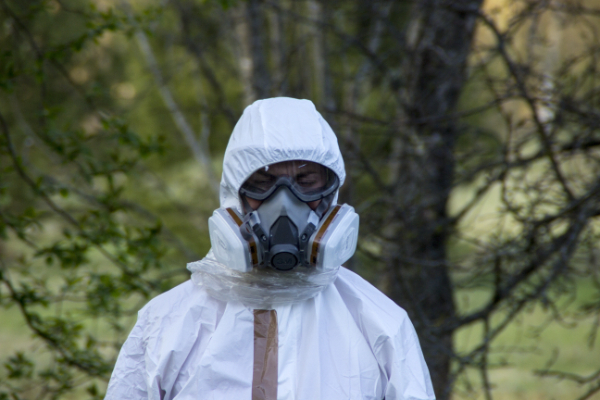
Asbestos is spread rather easy.
Once the asbestos has been damaged or disturbed, fibres from this material are released into the air. Once these fibres have been inhaled, they can cause severe damage or diseases if not treated properly with medical attention.
Asbestos-related diseases can take decades to develop. Medical care may help manage illness, but it cannot undo past exposure.
Why is your protection from Asbestos important?
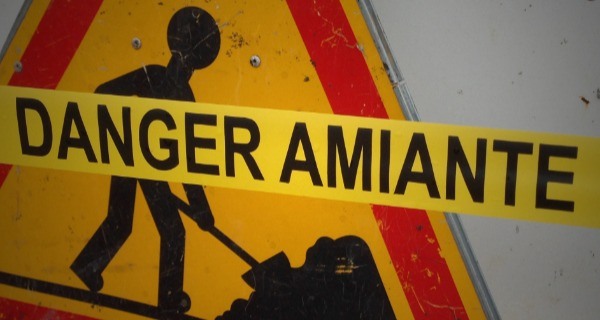
This is why your protection from asbestos is important, and contact with this material should be limited until an asbestos removal team has removed it.
If asbestos is found within your home or industry, the best approach is to contact an agency for toxic substances and get advice and assistance in this situation.
Serious diseases caused by asbestos:
Mesothelioma is a type of cancer that affects the lining of the lungs (specifically the pleura) and the lining surrounding your digestive tract (the peritoneum).
This type of cancer is almost entirely exclusive to some asbestos exposure. In most cases, once it has been noticed and diagnosed, this condition is almost always fatal.
Asbestos-related lung cancer is the same as (or looks the same as) lung cancer caused by smoking but has some other causes.
In this situation, it has been estimated that there is one lung cancer for every mesothelioma death. The more asbestos you are exposed to, the faster the latency period will be, and the more advanced cancer will be.
Asbestosis is known as a severe scarring condition of the lungs, and this disease generally occurs after having heavy exposure to asbestos materials which has spanned over many years.
One symptom which shows you have asbestos exposure includes shortness of breath, wheezing and tiredness. Although this can be because of many things, it is best to edge on the side of caution if you have any thought of being exposed to asbestos.
This condition can usually cause progressive shortness of breath, but this condition can be fatal in severe cases without treatment. After years of exposure, these symptoms can get worse and harder to treat.
Pleural thickening is a condition that occurs after heavy exposure to asbestos materials. With this condition, the lining of your lungs (also known as pleura) thickens and begins to swell.
If this condition worsens, the lungs themselves will be squeezed together, and this can cause shortness of breath and some discomfort in the chest.
You should keep in mind that those who smoke and have asbestos exposure have an increased risk of lung cancer development sometime in the future.
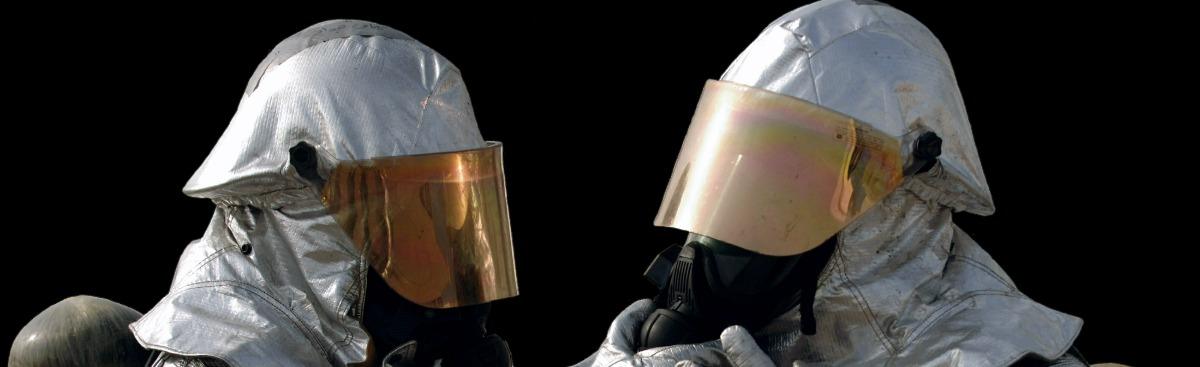
How long would it take for asbestos to affect YOU?
Many asbestos-related diseases can affect you, and these diseases can take many years before you begin to show signs. The time between the initial exposure and when the signs begin to show is called the latency period.
Disturbed asbestos can release microscopic fibres into the air. Inhalation can cause serious disease, which often develops long after exposure.
Asbestos is a well known and naturally occurring material. This material was widely used and had various uses in products and materials used in construction and other industries. Luckily, the UK banned this material in 1999 due to its effects on people's health who come in contact with the material. Asbestos products were hazardous to peoples health and were backed up by the many killed later on from a long time exposure.
If inhaled, these fibres can remain in the body because it cannot break them down, potentially causing serious diseases that may develop many years after exposure.
This is mainly because the human body is unable to break down this material.
These microscopic fibres that come from asbestos materials can be rather dangerous once inhaled. They can become lodged in your lungs and create a build-up of scar tissue.
This scar tissue is generated because your bodies immune system is trying to fight the material/break it down or remove it.
Because this condition can occur over many years, there can be a large amount of scar tissue remaining in your lungs due to the amount of time passed after the initial asbestos exposure.
With the amount of scar tissue being formed over time, the tissue within the lungs stiffens. This will make it more difficult for the lungs to fill up with air and provide the necessary oxygen to support and maintain your body properly.
The development of these diseases, which can cause all sorts of symptoms, including lung restriction, has a long latency period that can last anywhere between 10 to 30 years.
These symptoms can change depending on the development of the disease, type of disease and other factors.
Symptoms can appear many years after the initial exposure. Persistent breathlessness or a cough should be assessed by a clinician.
These symptoms generally show after the diseases have developed to a high degree and can be difficult to treat in some cases.
Past exposure was particularly important in occupations such as insulation work and shipbuilding. It remains essential to control present-day disturbance during maintenance and refurbishment.
Why Asbestos Cannot Be Judged by Appearance Alone
Asbestos-containing materials can resemble ordinary boards, insulation or cement products. A photograph or visual guess does not reliably establish whether asbestos is present. The work area needs suitable survey information and, where needed, competent sampling and analysis.
The decision to leave, protect or remove a material depends on its condition and the likelihood of disturbance. An intact panel away from routine work presents a different management problem from damaged insulation in an accessible service area. Source: HSE asbestos survey guidance.
Latest Mortality Figures Published in July 2026
HSE recorded 2,146 mesothelioma deaths in Great Britain in 2024. Its latest asbestos-related disease report also records 503 deaths mentioning asbestosis, excluding deaths that also mention mesothelioma. Both 2024 mortality figures are provisional. Source: HSE asbestos-related disease statistics, 2026.
These are historical-exposure outcomes, rather than a measure of the risk from any one building. They do not show that a particular damaged material is safe to disturb.
Why Symptoms Can Appear Decades Later
Asbestos-related diseases can take decades to develop. Feeling well immediately after possible exposure cannot establish that there is no future risk, and symptoms alone cannot identify the cause. A clinician can assess persistent breathlessness or a cough and take an occupational history.
Asbestosis is irreversible lung scarring. Treatment can help manage symptoms, but it does not undo that scarring. If you are concerned about past exposure, explain the circumstances to your GP rather than attempting to diagnose yourself. Source: NHS asbestosis guidance.
How to Prevent the Next Accidental Disturbance
Check the register and survey before drilling, cutting or opening concealed spaces. Report missing information or an unexpected suspect material and stop the affected work until a competent person has reviewed it. Awareness training helps workers recognise when to stop; it does not prepare them to remove asbestos.
For a property needing an asbestos survey, use the findings to plan maintenance and refurbishment before contractors start. Source: HSE asbestos awareness guidance.
Concerned about suspect materials in your property? Contact Astec Consultants Ltd about an asbestos survey before disturbing them.