

What Is an Asbestos Survey and Why Is It Needed? Discover how expert surveys identify asbestos in your UK property, ensuring safety during renovation or demolition projects.
Asbestos can be found in many older buildings across the UK, especially in properties built or refurbished before the 2000s. While it may not always be a risk when it's left undisturbed, asbestos can still become dangerous if it's damaged.
This article explains what an asbestos survey is, when one may be needed, what it can find, and why using a trained surveyor is important for keeping people safe.
Why Asbestos Surveys Are Important
Asbestos surveys are important because asbestos can still be found in many older buildings today. Although asbestos was banned in 1999, it was widely used before then in roofs, ceilings, floors, pipes, insulation, textured coatings, and wall panels. If these asbestos-containing materials are damaged or disturbed, tiny fibres can be released into the air, and breathing them in can lead to serious health problems, such as lung diseases and cancer.
An asbestos survey helps identify where asbestos may be present and what condition it's in. This is especially important before building work, repairs, refurbishment, or demolition work is done, because without a survey, workers could cut, drill, sand, or remove materials that contain asbestos without knowing. This can put tradespeople, property owners, tenants, and visitors at risk.
When an Asbestos Survey Is Needed
An asbestos survey is often needed before any refurbishment, repair, or demolition work takes place. This includes work such as removing walls, replacing ceilings, changing pipework, fitting new heating systems, or carrying out roof repairs. If asbestos-containing materials are disturbed during these tasks, they can release harmful fibres into the air, putting you, the workers and other people at risk.
For non-domestic buildings, an asbestos survey may be needed to help property owners meet their legal duties. This type of survey helps locate asbestos, check its condition, and plan how it should be managed safely. Homeowners may also need an asbestos survey before buying, selling, or renovating an older property, since it can help prevent unexpected problems, delays, and extra labour costs.

Properties Most Likely to Contain Asbestos
The main properties in the UK that are most likely to contain asbestos are those built or refurbished before the 2000s.
Asbestos was used in many building materials during most of the twentieth century because it was strong, fire-resistant, and good for insulation - until it was finally banned in 1999, which means older buildings are more likely to contain asbestos than newer ones.
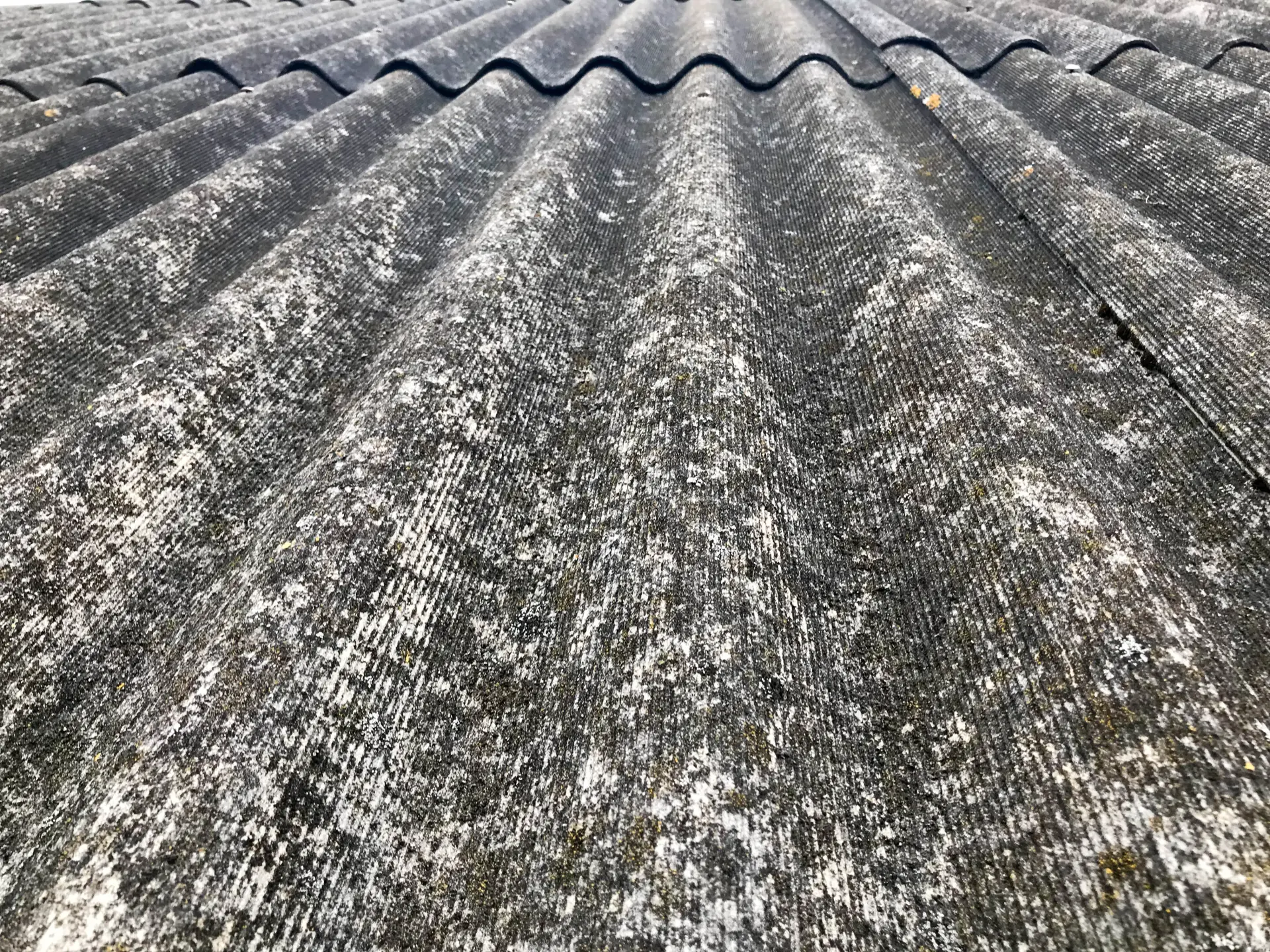
Asbestos may be found in garage roofs, floor tiles, pipe insulation, textured ceilings, old boilers, wall panels, soffits, and roof sheets. Flats, council houses, schools, shops, offices, warehouses, factories, hospitals, and farm buildings from this period can also contain asbestos.
What an Asbestos Survey Can Find
An asbestos survey can identify asbestos in your ceiling coatings, floor tiles, pipe insulation, boiler cupboards, wall panels, roof sheets, soffits, garage roofs, ducts, and old fire protection boards. Some asbestos materials are easy to find, while others may be hidden behind walls, above the ceiling, under the floor, or inside service areas. The survey works by checking your property carefully and recording any materials that could contain asbestos.
A trained surveyor will then look at the age, type, and condition of the materials and note down whether the material is damaged, likely to be disturbed, or in an area where people may come into contact with it. In many cases, small samples are taken from these materials and sent to a laboratory for testing. This is important because asbestos can't always be confirmed by sight alone. Materials that look safe may still contain asbestos, while others may not.
Different Types of Asbestos Surveys
There are two main types of asbestos surveys done in the UK: management surveys and refurbishment or demolition surveys. The right survey depends on how your building is being used and whether any work has been planned. A management survey is the standard asbestos survey, and its aim is to find asbestos-containing materials that could be damaged during everyday use, routine maintenance, or small repair jobs. The surveyor will check your property and record the location, condition, and risk level of any materials that may contain asbestos.
A refurbishment or demolition survey is needed before any major building, refurbishment, or demolition work takes place. This type of survey is more detailed and may involve opening up parts of the building, such as the walls, ceilings, floors, and service areas, to find asbestos that could be disturbed during the planned work. Since this survey can be intrusive, the building often needs to be empty while the survey is done.
What Happens During an Asbestos Survey?
During an asbestos survey, a trained surveyor will visit your property to search for materials that may contain asbestos. The process usually begins with a short review of the building, including its age, layout, use, and any planned work. This helps the surveyor understand where asbestos may be more likely to be found.
The surveyor will then inspect different parts of your property, including your ceiling, walls, floors, loft, pipework, boiler, service cupboards, roof, garage, outbuilding, soffits or roof sheets. The surveyor will look for materials that were commonly made with asbestos, including textured coatings, insulation boards, floor tiles, cement sheets, and pipe lagging.
If these materials are found, the surveyor will record their location, type, condition, and how likely they are to be disturbed. In many cases, small samples are taken from these materials, sealed, and sent to a laboratory for testing, since asbestos can't always be confirmed just by looking at it. After the visit, the surveyor will prepare a report explaining where asbestos was found, the test results, the condition of the materials, and what action is recommended.

How an Asbestos Survey Helps Keep People Safe
Asbestos isn't always dangerous when it's in good condition and left alone, but it can become a serious risk if fibres are released into the air. These fibres are very small, and they can be inhaled without you knowing. Over time, exposure to these fibres can lead to serious illnesses, including cancer.
A survey gives property owners, landlords, employers, and contractors clear information about where asbestos may be present. It can show whether the material is in good condition, whether it's likely to be disturbed, and what action should be taken. This can include leaving it in place and checking it regularly, sealing it, restricting access, or arranging for the asbestos to be professionally removed.
Protecting people against asbestos is important because the health effects from breathing in the fibres may not appear for many years. However, once the asbestos fibres have been breathed in, the damage cannot always be reversed. An asbestos survey helps prevent this exposure and gives you the information you need to manage your property responsibly.
Why You Should Use a Trained Asbestos Surveyor
Many asbestos-containing materials look like normal building materials, so it's not always easy to know what's what by sight alone. A trained surveyor understands where asbestos is likely to be found, how to inspect a property properly, and how to take samples without creating unnecessary risks.
A professional surveyor will also know which type of survey is needed. For example, a basic management survey may be suitable for a building that's being used as normal, while a more detailed survey is needed before refurbishment or demolition work is done. Choosing the wrong survey can leave hidden asbestos behind, which could later be disturbed.
A professional surveyor can give you clear information about where asbestos is, what condition it's in, and what should happen next.
What Is Included in an Asbestos Survey Report?
An asbestos survey report provides clear details about any materials in a property that may contain asbestos. It's used to help property owners, landlords, employers, and contractors understand where asbestos may be present and how it should be managed. A survey report will usually include your property details, the type of survey that was carried out, and the areas that were inspected. It should also highlight any areas that could not be accessed, since these may need checking later on.
The surveyor will also record the location of any suspected asbestos-containing materials, along with photographs, descriptions, and notes about their condition. If any samples were taken, the report should include the results, which either confirm or deny whether asbestos is present and what type of asbestos it is.
The report may also give each material a risk rating based on its condition, location, and how likely it is to be disturbed. The recommendation section is one of the most important parts of the report since it may include what you need to do next. For example, leaving the material in place, checking it regularly, sealing it, repairing it, restricting access, or arranging a removal service.
What to Do After Receiving the Survey Results
After receiving your asbestos survey results, the first step you need to take is to read the report carefully and understand what has been found. The report should show where the asbestos is located, what condition it's in, and whether it is likely to be disturbed. The report may also include photos, sample results, risk ratings, and recommended actions.
If the asbestos is in good condition and is unlikely to be disturbed, it may not need to be removed straight away. In many cases, it can be left in place and managed safely. This may involve labelling the area, keeping records of the asbestos, checking the material regularly, and making sure anyone working in the building knows about it.
Final Thoughts on Asbestos Surveys
Asbestos is dangerous because when it's damaged or disturbed, tiny fibres can be released into the air, which can be breathed in without a person knowing. Over time, this exposure can cause serious health problems, including lung diseases and cancer. This is why asbestos must be managed carefully, especially before any repairs, refurbishment, or demolition work is done.
An asbestos survey helps find where asbestos may be present, what condition it's in, and whether it could be disturbed. A trained surveyor can inspect your property, take samples, and provide a clear report highlighting what you need to do next.
Astec Consultants Ltd provides professional asbestos surveys for homes, buildings, and public properties across Aberdeen and Aberdeenshire. Our trained surveyors can identify asbestos-containing materials, assess risks, and provide clear reports.